
Founder-led PR is one of the surest ways to market a product. This is because many marketers work in isolation, trying to figure out the right tone, branding, and voice for a company. This approach is similar to many companies and founders who spend years building a product but only engage a PR firm or professional a few weeks to launch.
The founder’s journey is the company’s story. The light bulb moment, years of industry expertise, and multiple encounters with the customer persona that influenced the product’s initial development inadvertently make up the company’s story.
Founder-led PR is a strategy where the company’s founder actively shapes and manages the brand’s public image, messaging, and media relations. Usually, the founder interacts with PR mainly when crafting press releases for major product features or fundraising, but this shouldn’t be the only time. Founder-led PR is free; the only cost is the founder’s time, which the communications team or PR agency can maximize to produce effective results.
This article will touch on the benefits of founder-led PR and how companies in Nigeria or expanding into the continent can take advantage of it to grow their businesses.
What does founder-led PR look like?
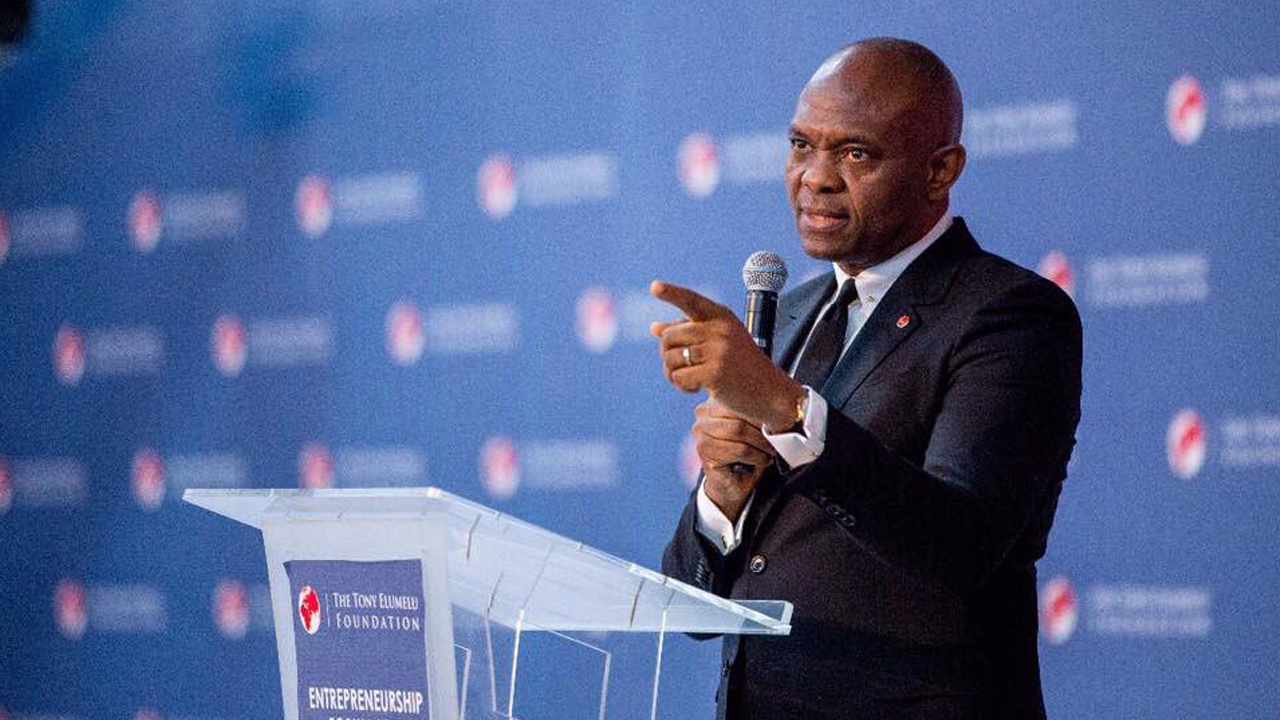
Tony Elumelu, the chairman of United Bank for Africa (UBA), Nigeria’s fourth-largest bank by assets, with a presence in 20 countries across Africa, is a well-known example of a founder using founder-led PR in Nigeria. Mr. Elumelu’s biggest social media accounts have 2 million followers on Instagram, 1.4 million on Twitter, and 1.3 million on Facebook. Mr Elumelu is also the chairman of Heirs Holdings, an investment firm, and Transcorp Group, which houses an energy company, a power company, and a popular hospitality brand.
On his feeds, it’s common to see him posting about a day in the office, using his bank’s hashtag “#AfricasGlobalBank” or sharing news about the recent activities of his philanthropic organisation, the Tony Elumelu Foundation. You might also see him meeting a president, attending the multinational Qatar Economic Forum, commissioning a project with fellow Nigerian billionaires, or just vacationing. Mr. Elemulu has learned how to naturally attract the attention of a digital audience of customers and onlookers alike, while increasing brand value for his bank and other businesses.
Goke Balogun, the co-founder and CEO of Sofresh, a food and beverage company, has cultivated a strong online presence that significantly contributes to the brand’s positive reputation both online and offline. With over 11,000 followers on Twitter, Balogun openly shares insights into his company’s growth, personal entrepreneurial journey, and strategies for scaling a business in Nigeria’s challenging economic environment. One particularly viral post detailing Sofresh’s 15-year growth garnered over 1 million impressions, 7,000 likes, and 1,600 retweets.
In Nigeria’s tech industry, Seye Dele, the CEO of PaidHR, a fast‑growing HR Tech platform, has cultivated a strong following through his insightful industry commentary and sometimes viral personal posts that highlight both his company and his broader perspectives on workplace culture. Last month, PaidHR raised $1.8 million in seed funding. Similarly, the CEO of Sycamore.NG, a Nigerian fintech, Babatunde Akin-Moses embodies the founder-led PR strategy. Through his growing LinkedIn audience of over 50,000, he shares a consistent mix of thought leadership on Nigeria’s and Africa’s fintech landscape, behind-the-scenes recaps from speaking engagements, and insightful video content that breaks down key customer pain points in relatable terms.
Globally, an example of founder-led PR or marketing is billionaire Elon Musk, CEO and co-founder of Tesla, X (formerly Twitter), and SpaceX, who shares product updates, milestones, and engages in conversations that boost publicity for his startups.
When people hear “founder-led PR,” they often think of founders posting more on LinkedIn—an approach that’s not inherently flawed, but the strategy can also include:
– Blogs written or ghostwritten by the founder on owned media
– Posts by the founder on Twitter, LinkedIn, and other social platforms
– Guest blog posts by the founder in relevant industry publications
– Podcasts hosted by the founder
– Video content created by the founder and shared on YouTube, Twitter, or LinkedIn
Benefits of founder-led PR:
- Credibility
Founder-led marketing helps build credibility and trust with potential customers. When your founder represents your company, it creates a more personal connection, making it easier for your audience to relate to them and your brand. People are more likely to trust your brand when they see a face behind it, when they know the founder personally, and can relate to them or trust their expertise and lived experience. It signals to investors, prospective employees, and customers that the company is led by someone with real insight.
- Audience building and engagement
Founder-led relationships are highly effective in building an audience. While marketing and communications teams handle most press work, founders engaging directly with the community can create more memorable connections.
- Great content
Founder-generated content tends to be more organic and authentic, sharing the ups and downs of the business. This makes it easier for people to emotionally invest in your company and its success.
- Useful feedback
Founder-led marketing is valuable for gathering live, real-time feedback from the audience. It helps you understand how your messaging resonates and provides ideas for future content or product development, such as features or services your audience requests in comments.
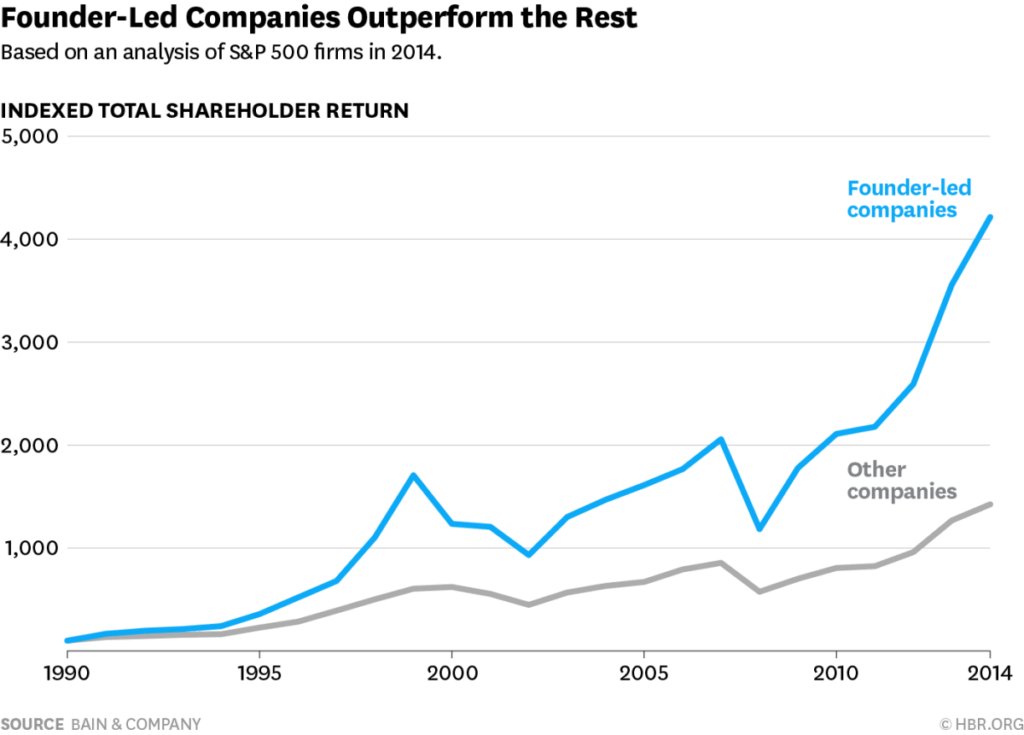
Founder-led sales and marketing is so powerful for startups
- Turning engagement into leads
It’s easier to reach cold and warm leads—people who have seen, interacted with, or shared your content. These audiences can be converted into customers and an increase in revenue for the company.
- Cost-effective
Considering ROI, founder-led PR is cost-effective, primarily requiring only the founder’s time, which is well worth the investment.
How to use founder-led PR:
The key to successful founder-led PR is having industry expertise, which positions you as a thought leader people listen to. Demonstrating industry and business knowledge is fundamental to building credibility, attracting customers, and growing the business.
Specialize:
It’s important to choose a niche within your industry. This allows you to showcase your in-depth knowledge about your product or service and the issues your target audience faces. Becoming an expert in an unsaturated area provides a strong foundation for expanding from there.
Publish content:
It may sound simple, but getting started is crucial. There’s no way to demonstrate your expertise without publishing valuable content. This can include social media posts, blog articles, white papers, eBooks, podcasts, or videos.
Build an online presence:
Having a strong online presence increases visibility and helps you reach your most valuable customers. Consistently posting content will grow your online footprint, leading to a larger audience and greater influence.
Collaborate with other industry experts:
Collaboration enhances visibility by leveraging the reputation of established personalities and companies. It allows you to share your authentic insights on relevant industry issues.
Attend industry events:
Whether online or in person, speaking at live events or stage presentations is an excellent way to demonstrate expertise. Providing real value during your presentations can earn followers, attract meaningful messages from attendees, and convert prospects into customers.
Prepping a Founder for Founder-Led PR
- Position the Founder as the Brand
Founder-led PR only works when the founder embraces their role as the face of the company. That means sharing opinions, showing vulnerability, building in public, and being authentic. Over time, the quality of their content and its resonance with the audience will improve.
- Respect Their Time
Founders are busy. The marketing or PR team should avoid time-consuming processes. Instead, aim for high-leverage interactions that minimize their involvement while maximizing content quality.
- Play the Accountability Role
Some founders enjoy posting but struggle with consistency. Here, the marketing team must act as an accountability partner. A content calendar becomes essential for keeping things on track.
- Capture Content Efficiently
Founder check-ins, whether through short calls, voice notes, or written drafts, can provide a steady stream of raw material. These inputs can be repurposed into multiple posts or videos over time.
- Build a Repeatable System
Once a rhythm is found, systemize it. The goal is to create a loop where minimal founder input fuels consistent, quality output.
Closing notes:
Founder-led marketing is a proven, low-cost strategy that startups and corporations aiming to operate in Africa’s largest market should seriously consider. It leverages the founder’s voice, enabling them to share personal stories and experiences that make them relatable to prospective customers, and in many cases, turn those customers into loyal advocates.
It also helps founders find their voice, stay authentic while doing hard things, and gain a better understanding of what their audience truly wants. When done right, it can drive revenue. All that’s required is a PR firm that can build systems and a strategy to keep the founder consistent.