
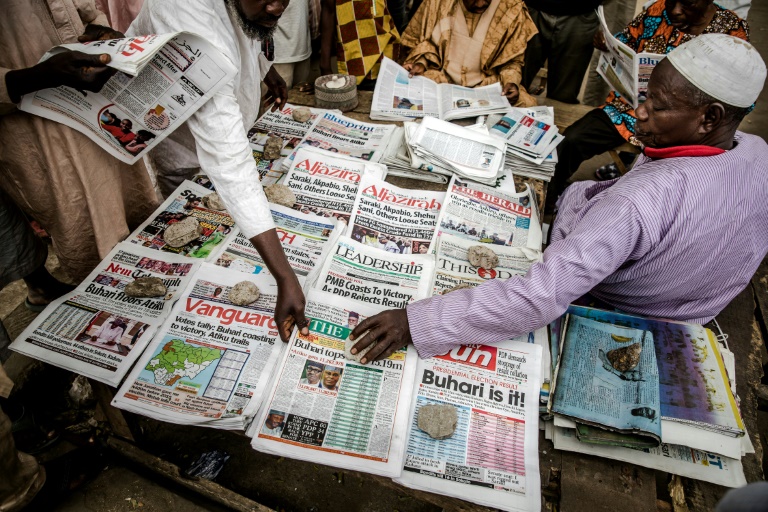
Many companies dream of national coverage the moment they launch their PR efforts. But more often than not, they struggle and become frustrated when the headlines don’t come. This usually happens because they’ve skipped an essential first step: engaging with local media. Before you land that Financial Times, Bloomberg, CNN, or TechCrunch coverage, it makes sense to first be published in the tech and business publications that serve your local community or city.
Local media is one of the quickest and surest ways to gain credibility and trust. Yet, many brands overlook it, preferring to chase bigger platforms. In reality, local media coverage builds the groundwork that often leads to national and international attention.
Engaging with local outlets is a form of strategic PR, a concept we’ve championed on this blog many times. It allows you to create a solid media foundation from the ground up. Over time, local coverage speaks directly to a city, region, or community, offering a unique voice and tone that helps your brand stand out. It also increases your chances of being noticed by journalists who may come across your story during their research.
When journalists vet your pitch, they look for signals: have others published claims about your product? Are there credible reports on your founder, milestones, or impact? National media may not have the space to cover every product launch or thought leadership article, but local outlets often do. That makes them the perfect place to ensure your company’s story is documented, searchable, and verifiable—positioning you for the big stage.
Local media is not just a stepping stone
It’s tempting to treat local media as a means to an end, but that’s shortsighted. A refined, deliberate approach ensures accurate coverage of your work. Local coverage also helps you sharpen your messaging before facing the higher stakes of national or international media, where mistakes are harder to undo.
Humanizing the brand
Local media allows you to showcase the people behind the brand. It’s less curated, more authentic. You can highlight employees, community investments, and grassroots initiatives that matter to your audience. This makes your brand relatable and shows you genuinely care about your community.
Bridging global and local
Local and national media aren’t mutually exclusive; they complement each other. For instance, a multinational launching in Kenya can tailor its story for Nairobi-based outlets by showcasing past community engagements in the city. That way, the national rollout feels rooted, not distant.
Why local media matters
- Reach and visibility – Local media allows you to connect directly with your audience—users, policymakers, investors—where they already are. It puts the grassroots work behind your pitch deck, strategy, and regulatory filings into perspective.
- Trust – Trust is a critical currency in news. Globally, surveys show high confidence in local outlets. For example, 89% of UK adults say they trust local media, while in the US, 41% trust their local TV news compared to only 29% for national news. In Africa, trust levels are high: in Nigeria, 68% of people say they trust the news, one of the highest rates globally, according to the 2025 Reuters Digital News Report. In Kenya, around 69% of respondents reported “some trust” or “a lot of trust” in media, with radio and television especially trusted. In South Africa, 55% said they trust news overall, but local radio remains powerful, with at least 75% of the population tuning in every week. Local media feels closer and more authentic, making people more receptive to your story.
- Community building – Regular local coverage builds loyalty. By consistently updating your audience, you create a strong base that supports your national ambitions.
- Preparation for bigger coverage – Local stories furnish journalists with the context and details they need to consider you for national features.
- Crisis management – When crises hit, local media is often the fastest and most effective channel for correcting misinformation and showing accountability on the ground.
- Cost-effectiveness – Compared to national campaigns, local media offers high impact at a lower cost. It’s a smart long-term investment in awareness and trust.
- Reaching underserved audiences – In Africa, internet access isn’t universal. Radio remains powerful; in South Africa, for instance, 75% of people listen to a radio station every week. Local media helps you bridge digital divides and reach those who matter most.
How to use local media strategically
- Define your audience – Identify who you want to reach and which local outlets they engage with.
- Research local platforms – Look into community radio stations, city newspapers, industry-specific publications, or online groups that speak to your niche.
- Build relationships – Connect with local journalists, influencers, and community leaders. Trusted voices can help amplify your message.
- Tell stories from a local angle – Frame your news in terms of community relevance: jobs created, local partnerships, or grassroots impact.
Closing notes
Whether you’re a multinational expanding into new markets or a small brand trying to gain mindshare, local media is a powerful ally. Engaging early and consistently not only builds trust and visibility but also strengthens community ties, investor confidence, and national perception.
Local media isn’t just a stepping stone—it’s a strategic foundation. Done right, it positions your brand for long-term success at every level.